When a skin cancer clinic on the Mornington Peninsula lost power at 9am with a full day of surgeries scheduled, every minute counted. This is how the Copper Fox Electrical team diagnosed a serious electrical fault, coordinated with the power authority, and had the clinic back up and running in time for afternoon procedures — all within four hours of arriving on site.
What the Customer Reported
The clinic’s office called in a complete loss of power shortly after opening. As a medical facility performing skin cancer surgeries, they had patients booked throughout the day and couldn’t operate without electricity. On top of the urgency to restore power, they were also worried that sensitive medical equipment may have been damaged by a potential surge or fault event.
“A skin cancer clinic losing power mid-surgery-day isn’t just an inconvenience — it’s a patient safety issue. We treat those calls as the highest priority.”
This is exactly the type of job our emergency electrical service is built for. We were on site within 30 minutes of the call.
What We Found on Inspection
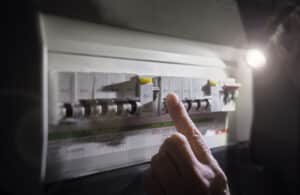
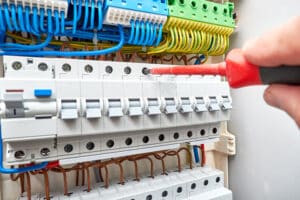
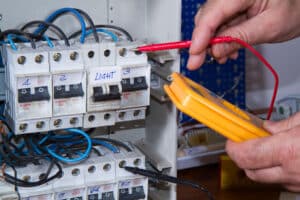
The first step was a systematic check of the switchboard inside the building — this is always our starting point when a property has lost all power. Testing confirmed there was no supply reaching the switchboard, which immediately pointed us upstream.
Working methodically through the electrical system — from the switchboard back to the meter, and then all the way to the point of attachment — our technician located the fault. The overhead fused mains box on the fascia (where the property’s supply connects to the United Energy powerline from the street) had burnt out. The damage was immediately visible: melted plastic housing and a destroyed active cable connection.
Safety & Compliance Issues Identified
- Active electrical safety risk — live fault at the point of attachment
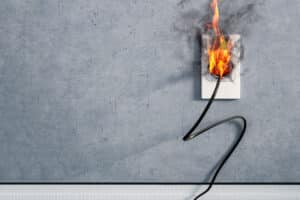
- Confirmed fire risk — heat damage and melted components
- Power authority (United Energy) coordination required before works could begin
The root cause? The active cable on the powerline side of the fused mains box had worked loose over time — likely through vibration or a poor original installation. The clinic’s power demands are significantly higher than a standard residence, and the elevated current draw across a loose connection generated intense heat, ultimately resulting in a fire at the junction point. The equipment was 10–15 years old and well overdue for attention.
How We Fixed It: Step by Step
1. Traced the fault to its source
Tested the switchboard, meter, and worked upstream to the point of attachment — precisely the kind of systematic fault finding that avoids guesswork and wasted time.
2. Called United Energy’s emergency faults crew
Because the point of attachment is still connected to the live powerline, regulation requires a licensed linesman to disconnect supply before any rectification work can begin. We made the call immediately. The linesman arrived within one hour.
3. Removed the damaged mains box and tested the cabling
With supply safely isolated, we removed the burnt-out unit and performed insulation resistance testing and a thorough visual inspection of the mains cabling inside the roof — confirming no further damage had occurred beyond the fault point.
4. Installed the new fused overhead line connection box
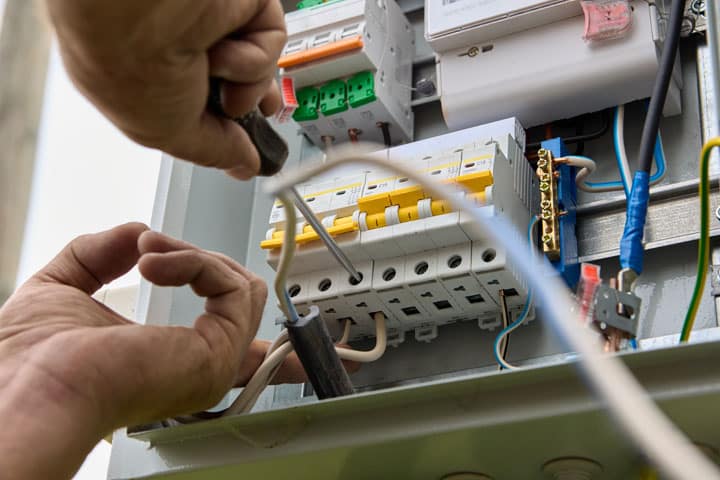
A replacement fused mains box was fitted to current standards, with correct and secure cable terminations — eliminating the loose-connection failure mode that caused the original fault.
5. Coordinated power restoration with United Energy
We called United Energy’s faults crew back to reconnect supply. They returned within two hours. Once power was restored, we conducted a full suite of testing throughout the medical centre to verify that no equipment or circuits had been damaged.
The Result
The clinic had full power restored within four hours of our arrival on site. The owner’s concern about potential damage to sensitive medical equipment was resolved — our testing confirmed no other appliances had been affected by the outage or the fault event. Afternoon surgeries went ahead as planned.
“The customer was grateful and elated that we were able to quickly return their power — they were able to complete surgeries in the afternoon.”
The system was also brought up to full compliance. A new fused overhead line connection box is now correctly installed and secured, and the property has documentation of the works completed for their records.
What Businesses Should Take Away From This
Loose connections at the point of attachment are one of the more insidious electrical faults a commercial property can face. The failure often develops slowly — vibration gradually works a terminal loose, resistance at the connection increases, and heat builds over time. Under normal residential loads this might go unnoticed for years. Under the higher, sustained current draw of a medical or commercial premises, it can result in a fire event, as it did here.
A periodic electrical safety inspection by a licensed electrician can catch deteriorating connections, aged equipment, and potential fire risks before they become emergencies. For any property over ten years old — especially a commercial or medical facility — it’s well worth scheduling.
If your business or clinic is on the Mornington Peninsula and you’re concerned about ageing electrical infrastructure, we offer maintenance and inspection services as well as rapid-response emergency electrical callouts.