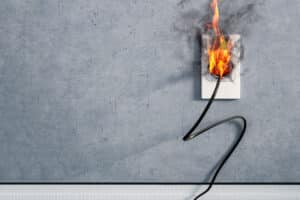
When it comes to electrical safety, few devices are as vital as the RCD switch. This small but powerful component constantly monitors your electrical circuits to prevent shocks and electrical fires. If it detects an imbalance or fault in the current, it immediately shuts off power, protecting your family and property from harm.
Many homeowners in Melbourne don’t realise that an RCD switch is not the same as a circuit breaker, a difference every property owner should understand when scheduling residential electrical services. While breakers protect against overloads, RCDs safeguard against electrocution.
Understanding how they work, why they matter, and when to upgrade or test them helps keep your home compliant and safe under Australian Standards. In this guide, we’ll explain what an RCD switch does, why it’s essential for every home, how to identify problems, and when to call a licensed electrician for installation or replacement.
How an RCD Switch Works to Protect Your Home
The RCD switch, also known as a residual current device, is designed to detect even the smallest electrical imbalance. It continuously measures the flow of electricity between the active and neutral wires. If it senses that electricity is leaking to earth, such as through a person or a faulty appliance, it cuts power in less than 30 milliseconds.
Detecting Current Imbalances
When electrical current flows normally, the same amount travels through the active and neutral conductors. If any current leaks, the RCD switch senses the difference and reacts instantly. This rapid action prevents electric shocks and reduces the risk of fire caused by faulty wiring or damaged insulation.
The Importance of Fast Reaction Times
Speed is everything in electrical safety. A well-functioning RCD switch disconnects power almost instantly, stopping dangerous shocks before they cause harm. That’s why testing and proper installation are vital to keeping your system reliable.
Different Devices, One Goal
Every RCD switch in your home works towards one goal: protecting people, pets, and property. Whether it’s in your switchboard or built into a power outlet, it ensures your electrical system reacts before you even realise something’s gone wrong.
Common Types of RCD Switches and How to Choose the Right One
Not all RCDs are built the same. Depending on your home’s wiring, appliances, and energy load, the right RCD switch type can make a big difference in safety and reliability.
Understanding Type A and Type B RCDs
The most common comparison homeowners come across is type A RCD vs type B RCD.
Type A RCDs protect against AC and pulsating DC currents, making them suitable for most residential installations. Type B RCDs, however, offer protection against smooth DC currents, ideal for homes with EV chargers, solar systems, or complex electronics. A licensed electrician can help determine which one suits your setup best.
RCBO vs RCD – What’s the Difference?
When comparing RCBO vs RCD, it helps to know that an RCBO (Residual Current Breaker with Overcurrent) combines both RCD protection and circuit breaker functions. While a standard RCD switch protects against electric shock, an RCBO also shields against overloads and short circuits, offering more comprehensive protection in a single device.
Choosing the Right Option for Your Property
For modern Melbourne homes, electricians often recommend RCBOs for individual circuits, as they isolate faults more precisely. In older homes, upgrading from a traditional fuse box to a combined RCD/RCBO system greatly improves safety and compliance with current standards.
Common Problems and Why Your RCD Switch Keeps Tripping
It can be frustrating when your RCD switch keeps tripping, especially if it happens repeatedly without an obvious reason. While it might seem like a minor inconvenience, it’s actually a warning sign that something in your electrical system isn’t functioning safely. Understanding why this happens can help you respond correctly and avoid future hazards.
Overloaded Circuits or Faulty Appliances
One of the most common reasons an RCD switch trips is an overloaded circuit. Plugging too many high-demand appliances into one outlet, such as a kettle, toaster, and heater, can overload the system. Faulty appliances with damaged cords or internal faults can also trigger an RCD to shut off power to prevent electric shock.
Moisture and Water Damage
Water is an excellent conductor, which makes moisture a major threat to your home’s electrical safety. Damp outdoor sockets, rainwater entering external power points, or leaks near wiring can cause the RCD switch to trip repeatedly.
If this occurs after heavy rain or storms, contact 24/7 emergency electrical services to restore power safely and inspect for water-related faults.
Wiring Faults or Aging Switchboards
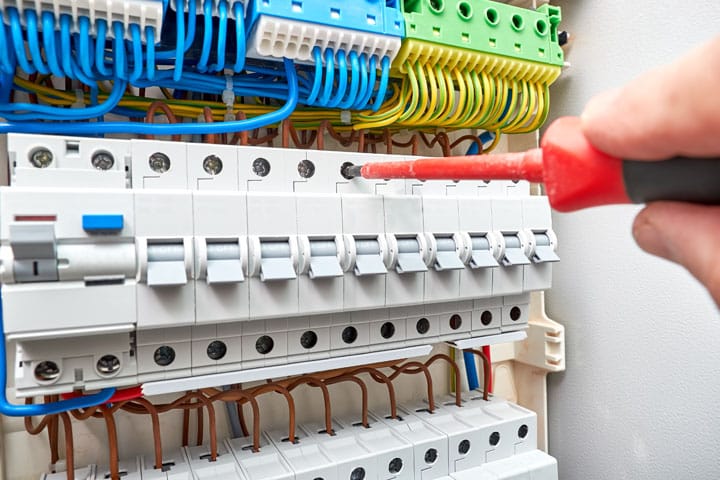
Older switchboards or deteriorating wiring can cause irregular current flow that triggers unnecessary trips. Loose connections, corrosion, or outdated fuses can all affect performance. Upgrading to a modern RCD switch or RCBO unit through our switchboard upgrades service can resolve these issues and bring your home’s electrical system up to Australian safety standards.
How to Test and Maintain Your RCD Switch
Even the best RCD switch needs regular checks to ensure it’s still protecting your home effectively. Testing helps confirm that the device responds fast enough to prevent electric shock or fire, keeping your property compliant with Australian safety standards.
Performing an RCD Test Safely
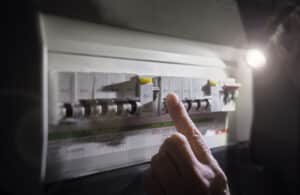
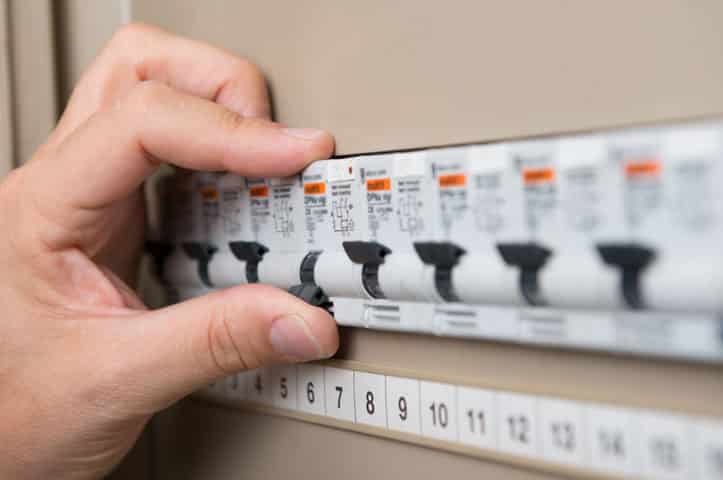
Every few months, homeowners should carry out a quick RCD test. Press the “TEST” button on your switchboard’s RCD; power should cut instantly. If the switch doesn’t trip or feels stiff, call a licensed electrician. Never ignore a slow or non-responsive test, as it means your protection system may not activate during a fault.
Routine Care for Your Safety Switch
A properly maintained safety switch can last for many years. Keep the switchboard clean and free of dust, avoid overloading outlets, and have your electrician inspect it during regular electrical maintenance visits. Consistent care ensures reliable operation and extends the lifespan of your safety protection devices.
When Testing Isn’t Enough
If testing reveals inconsistent results or frequent nuisance trips, further diagnosis is needed. A professional can check wiring integrity, moisture exposure, or outdated units and recommend a suitable replacement or upgrade to meet current electrical standards.
Installation, Cost, and Legal Requirements for RCD Switches in Australia
Installing a reliable RCD switch isn’t just about convenience; it’s a legal and safety requirement across Australia. Knowing what’s involved in safety switch installation, understanding costs, and keeping your system compliant will help protect your home and ensure peace of mind.
What’s Involved in Safety Switch Installation
A proper safety switch installation involves more than simply attaching a device to your switchboard. It’s part of our professional electrical installations that ensure each system is compliant and properly tested.
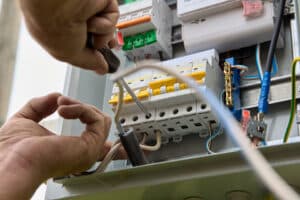
A licensed electrician tests existing circuits, checks for earth faults, and ensures that each RCD covers the correct section of your property. In most Melbourne homes, at least two RCDs are installed, one for lighting and one for power, to meet local standards.
Understanding RCD Installation Cost
The RCD installation cost in Australia depends on your home’s wiring setup, switchboard type, and the number of circuits needing protection. For most Melbourne homes, installing a single RCD or RCD safety switch typically costs between $180 and $300 AUD per unit, including labour and compliance testing.
If your home requires a switchboard upgrade or multiple circuit protections, the total may range from $400 to $900 AUD, depending on complexity and parts. While this might seem like an upfront investment, it’s minimal compared to the potential damage and safety risks of operating without RCD protection.
Following Safety Switch Laws in Australia
All electrical work involving RCDs must comply with the safety switch laws in Australia. Under the current Wiring Rules (AS/NZS 3000), all new homes, renovations, and rental properties must have operational RCDs installed on lighting and power circuits. Failure to comply can result in penalties and serious safety risks. Always use a licensed electrician who understands both national and Victorian electrical standards.
When to Call a Licensed Electrician in Melbourne
Your RCD switch is one of the most important safeguards in your electrical system. If it’s tripping frequently, showing signs of wear, or hasn’t been tested in years, it’s time to call a licensed professional. A certified electrician can diagnose faults accurately, test response times, and ensure your RCD complies with Australian safety regulations.
Signs You Need Professional Help
- Frequent tripping even after unplugging appliances
- Burn marks or unusual warmth around your switchboard
- Old fuse boxes that lack built-in RCD protection
- Power that fails to restore after pressing “reset”
Ignoring these signs can put your family and property at risk. A licensed electrician ensures all repairs, replacements, and upgrades meet AS/NZS 3000 standards, keeping your home legally compliant and safe for years to come.

Stay Protected with Copper Fox Electrical
Electrical safety isn’t something to take lightly. An efficient, properly installed RCD switch can mean the difference between a quick power trip and a life-threatening incident.
If you’re unsure about the condition of your safety switches or think your home might not meet current Australian standards, now is the time to act. Copper Fox Electrical provides expert RCD installation, testing, and upgrades across Melbourne and surrounding suburbs.
Call (03) 9120 8801 today to schedule an inspection or same-day service with our licensed electricians. Stay safe, compliant, and powered. Trust the local professionals who get it right the first time.